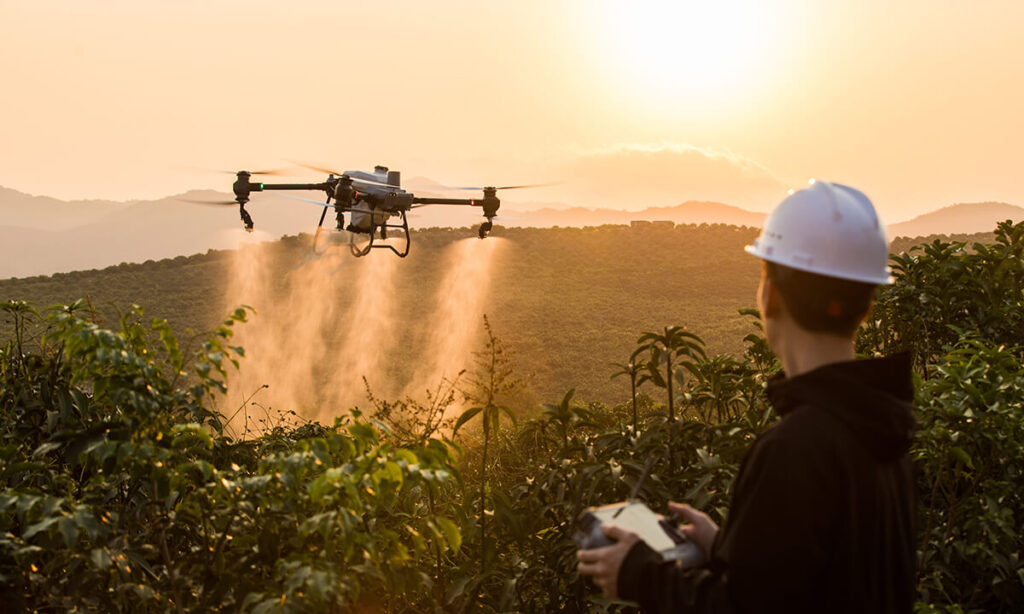
We use 21st-century technology to ensure optimal results
Our Services
Defending Your Space.
Our work is crucial in ensuring that ecosystems in central and northern South Africa remain balanced, resilient, and capable of supporting future generations
Restoring Ecosystems
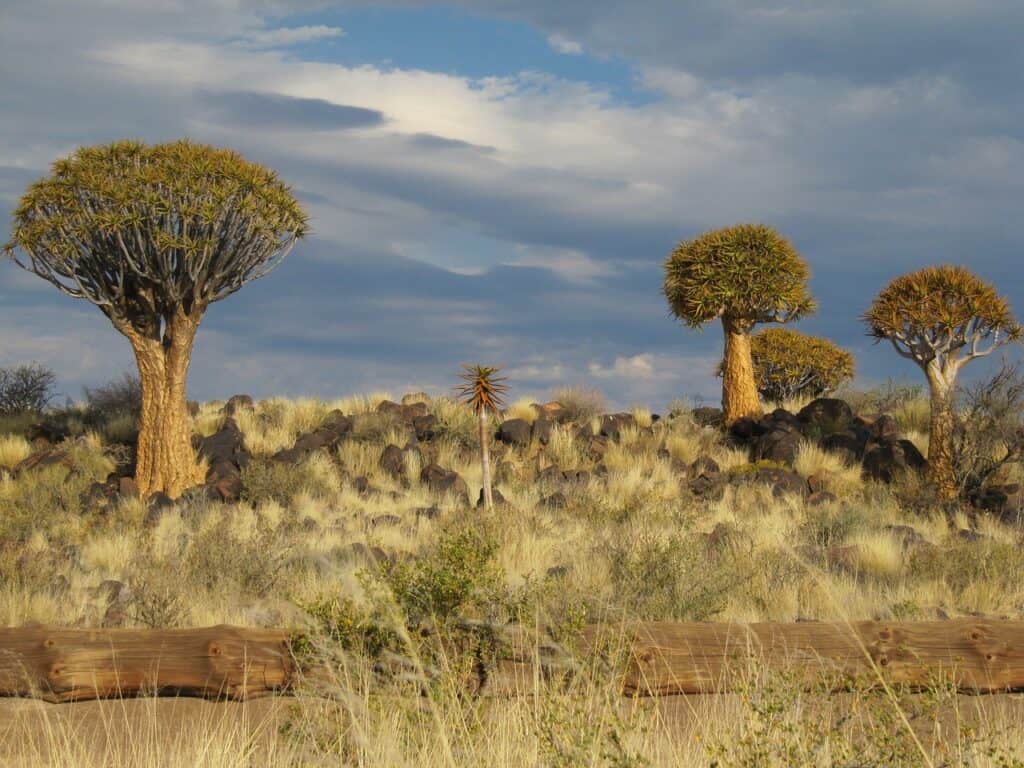
Removing invasive species allows indigenous plants and wildlife to thrive, preserving South Africa’s unique biodiversity
Conserving Resources
Clearing water-thirsty alien plants improves water availability, soil health, and reduces wildfire risks
Sustainable Land Use
Rehabilitating land with indigenous vegetation ensures ecological balance and supports long-term environmental resilience
What we offer
Defeating Alien Plants.
Protecting Indigenous Biodiversity
Alien species outcompete native plants for resources like water, sunlight, and soil nutrients, leading to the decline of indigenous flora and fauna. Removing these invasive species allows local ecosystems to recover and thrive.
Water Conservation
Many alien invasive plants, such as wattle and eucalyptus, consume significantly more water than indigenous species. Their removal helps restore water availability in a water-scarce country like South Africa, benefiting agriculture, wildlife, and local communities.
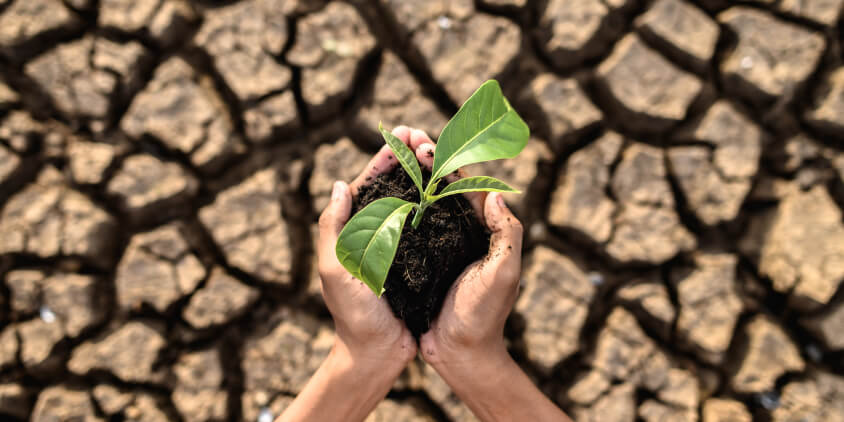
Preventing Soil Degradation
Alien plants can disrupt soil ecosystems, leading to erosion and reduced fertility. Clearing them enables indigenous plants, which are adapted to the local soil and climate, to restore soil health and prevent land degradation.
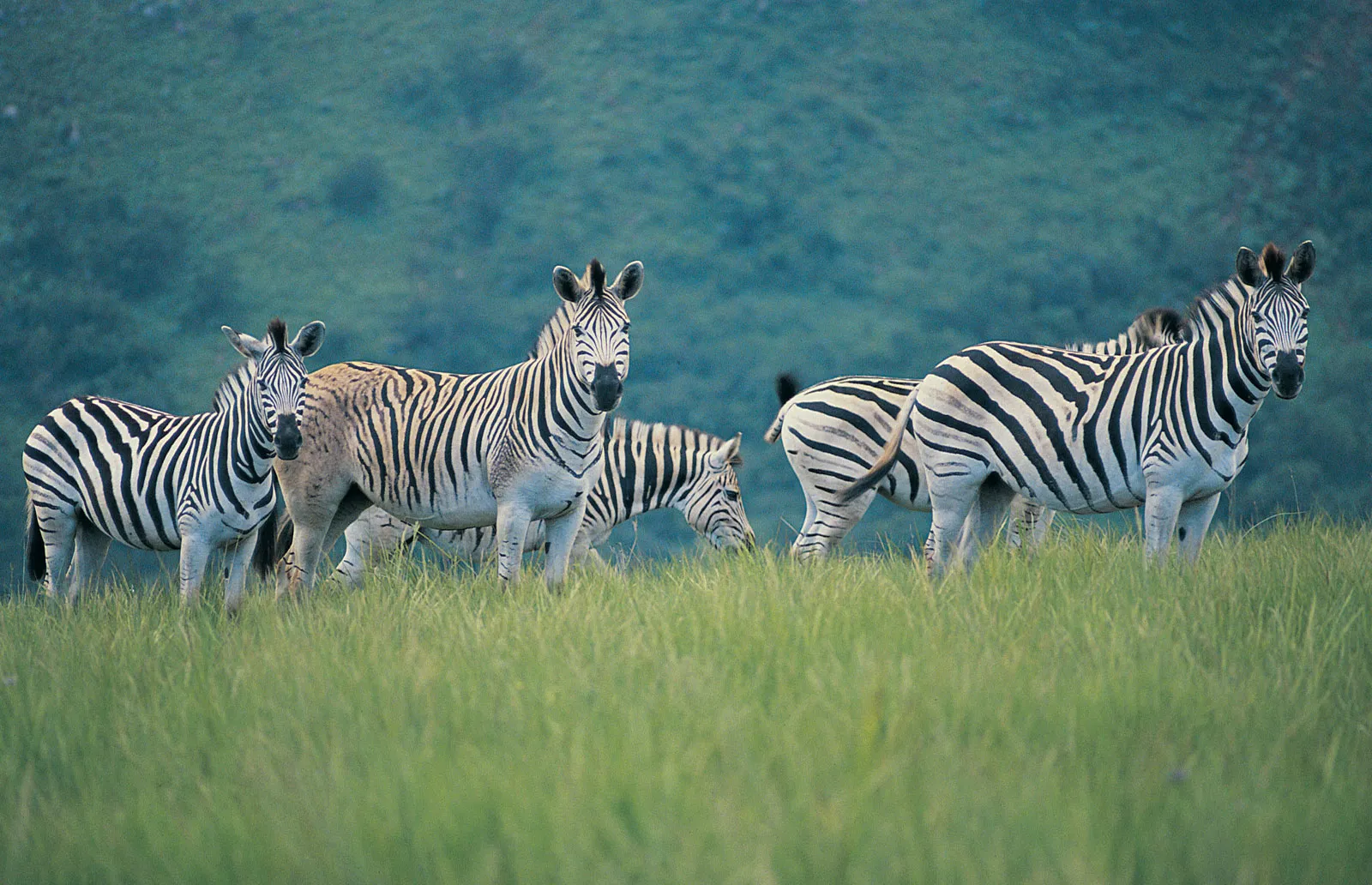
Supporting Wildlife Habitats
Indigenous plants provide food and shelter for South Africa’s unique wildlife. By eliminating invasive species, the habitats for animals, birds, and insects critical to the ecosystem are restored and preserved.
Mitigating Fire Risks
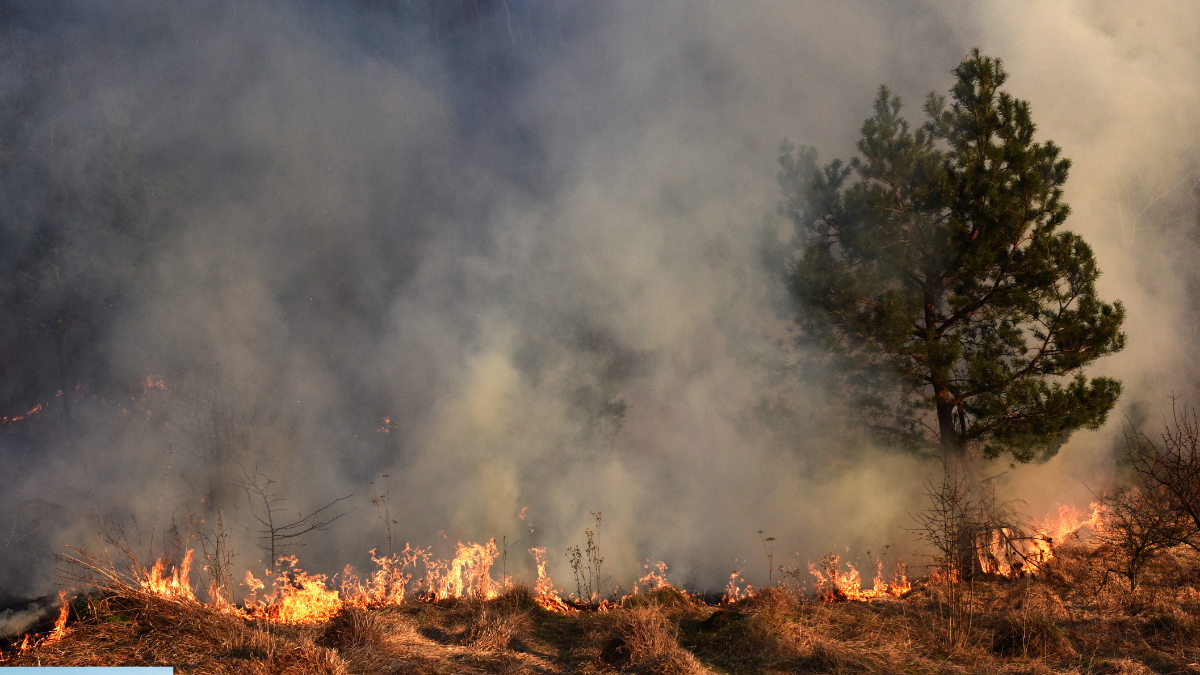
Many invasive species are highly flammable and increase the risk and intensity of wildfires. Removing these plants reduces fire hazards, protecting lives, property, and the environment.
Sustainable Land Use
By clearing alien species and rehabilitating land with indigenous vegetation, ecosystems become more resilient to climate change. This also improves land productivity for local communities and preserves South Africa’s natural heritage.